
Discover & Learn
naton
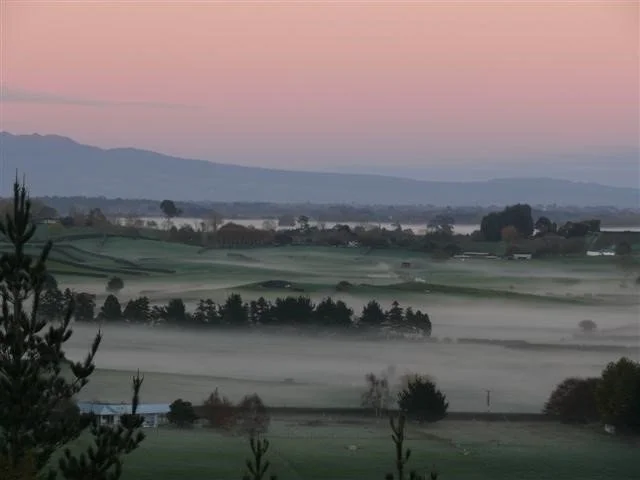

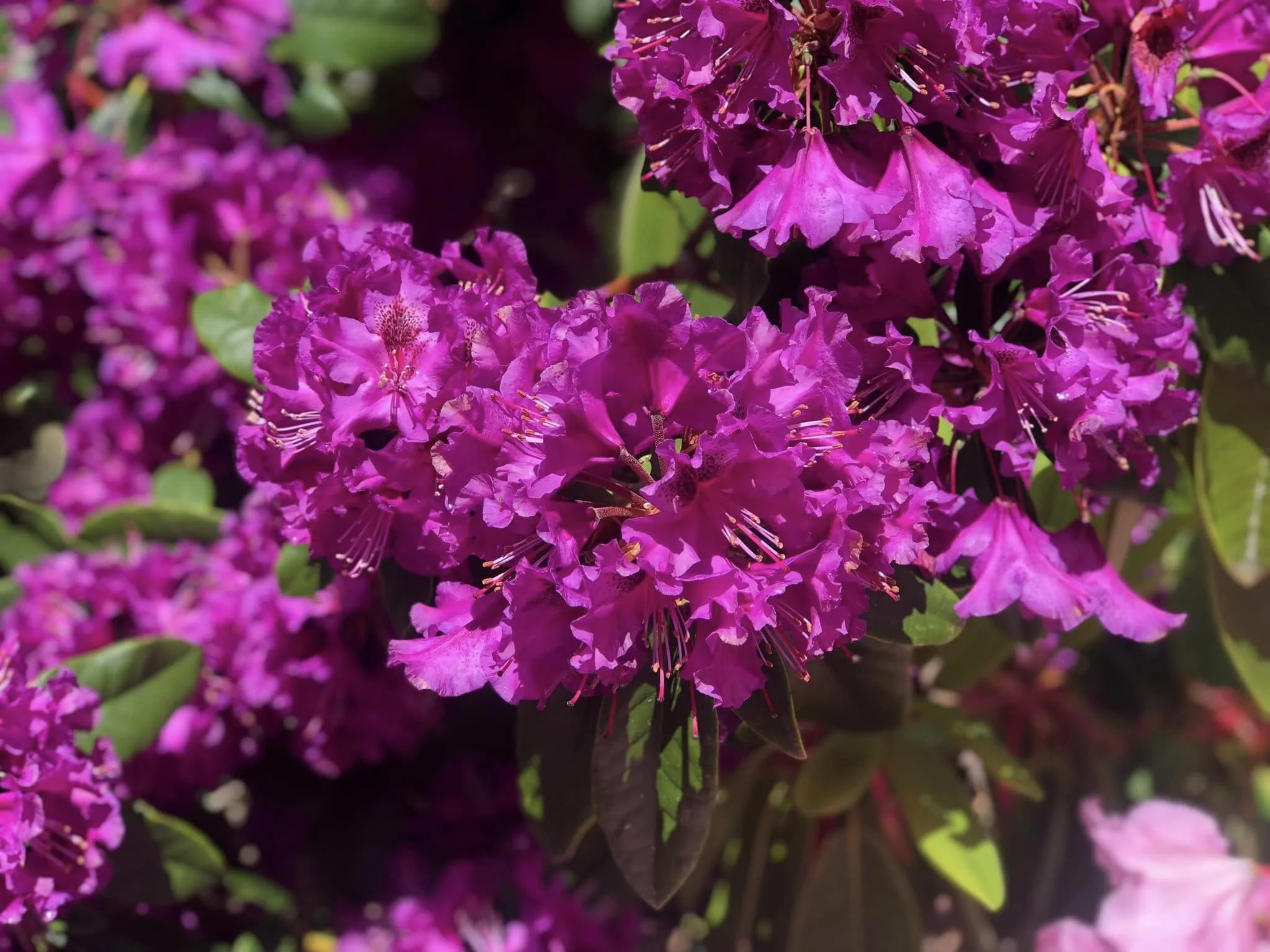
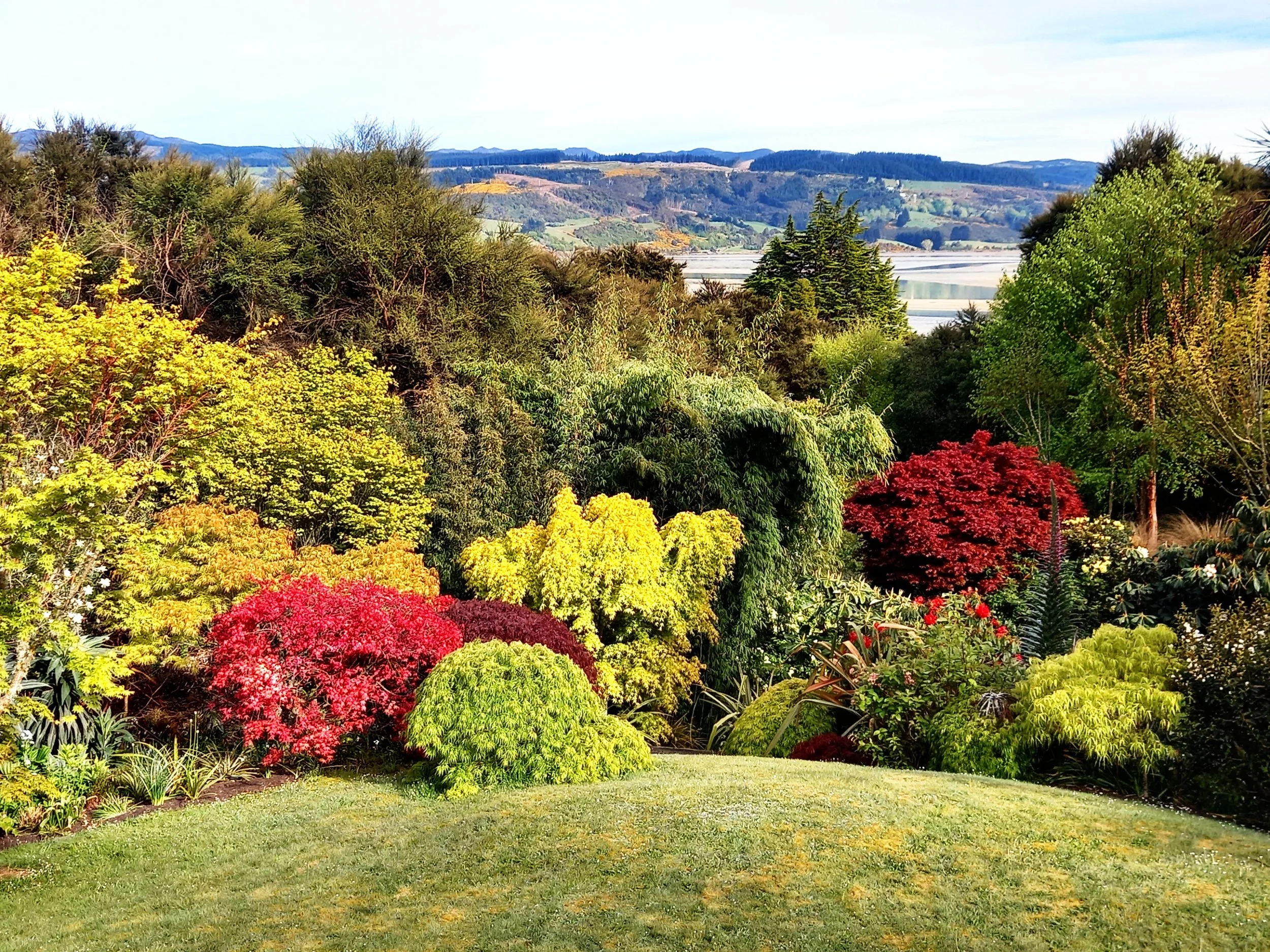
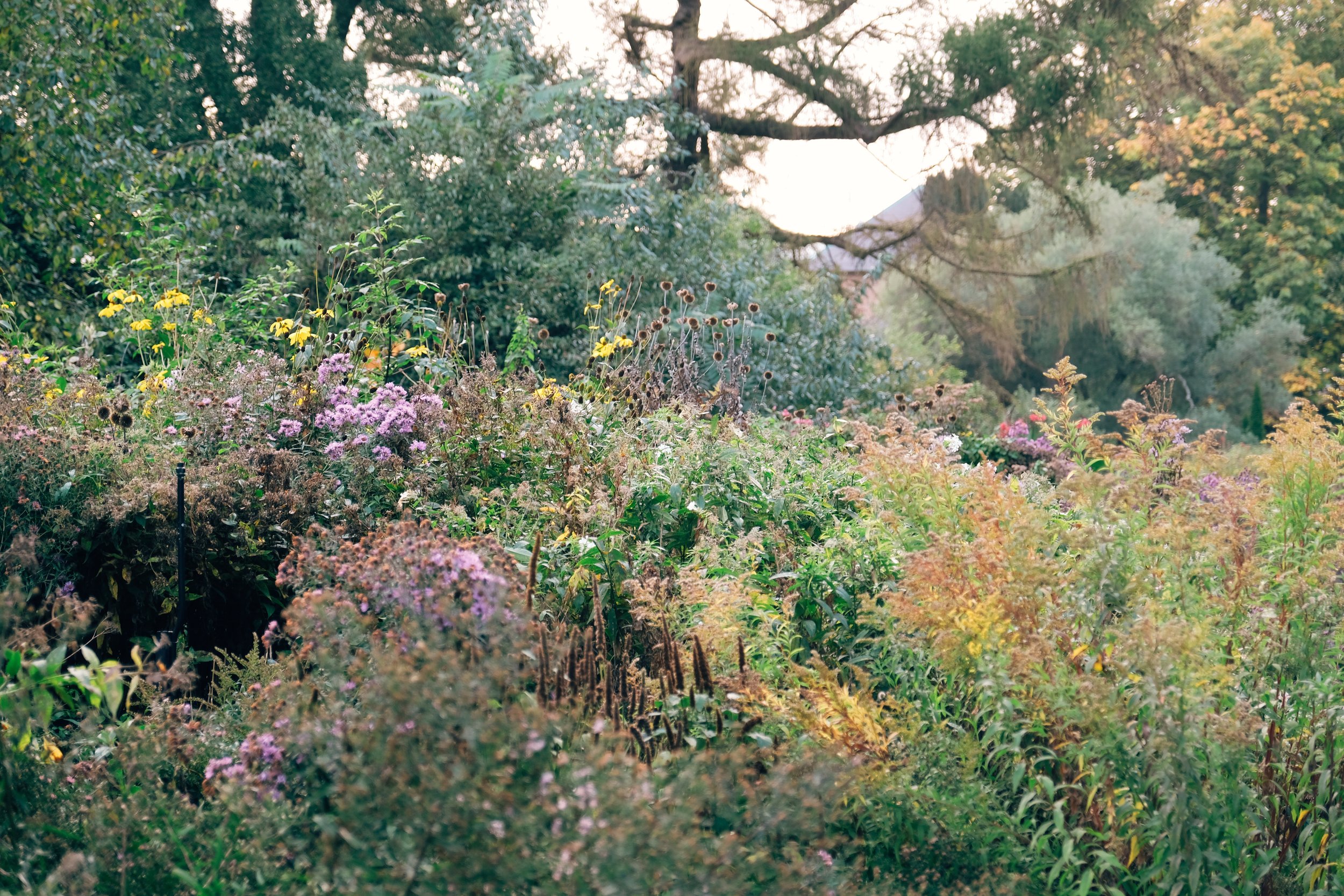
When people visit this parkland, they always say how wonderful it is, the combination of sculptural pieces with the garden spaces and trees are surprising, and they often reflect on the fact that they have lived close by for 20-30 years and didn't know it existed. It's the relaxed feel of the place they comment on. The Arboretum offers a restorative nature experience through a garden planted by an expert plantsman/arborist, John Wakeling. Johns engagement with the natural world captured in his sketches informs his work here at the park; the tree groupings, the framed views, the environmental conditions of each nook and cranny have all been maximised, as seen by the plant selection and placement.
The fact that this place was once an industrial wasteland and now houses an extensive sculpture collection, and Arboretum is testament to the perseverance and dedication of the founders, Dorothy and John Wakeling.
The NZ Gardens Trust was established by the Royal NZ Institute of Horticulture (RNZIH) in 2004 to ‘Promote the best in New Zealand gardens and horticulture’. As recounted by Liz Morrow (www.gardens.org.nz/resources/twenty-years), the seed of the Trust germinated in Dunedin, during a Rhododendron conference. So too was most of the groundwork, thanks largely to the tireless efforts of Jayson Kelly, who at that time was an executive member of the RNZIH and worked for Dunedin City Council. His founding Trustees included Jayson himself (as the first NZGT Chairperson, 2003–2006), Andrew Maloy (Chair of the RNZIH, 2003–2006), Bryan Gould, Margaret Barker (Larnach Castle), and Liz Morrow (NZGT Executive Officer, 2003–2011) – they succeeded where an earlier RNZIH open gardens scheme had failed.
For some gardeners, it begins with a particular passion — roses, rhododendrons, magnolias, camellias or perhaps a group of native plants. Over time, a few favourites become dozens, and a garden develops a collection almost without its owner quite intending it.
The New Zealand Gardens Trust is lucky to have had Dylan Norfield as an assessor for our NZGT gardens since 2014. Now the deputy lead assessor, he came to the ‘job’, following the 2013 the NZGT conference in Dunedin, when he was asked to talk about ‘What makes a garden stand out’. Following that talk and sharing his horticulture experience with members, he was asked to join the assessing team in 2014. This was his ‘shadow’ year and he helped assess Dunedin gardens with Kerei Thompson from Bark Ltd. As the Manager of Collections at Dunedin Botanic Gardens, he certainly knows plants and gardens very well. What’s new is that Dylan has just had his own intriguing garden assessed for NZGT. For good reason it was awarded five stars: a Garden of National Significance.