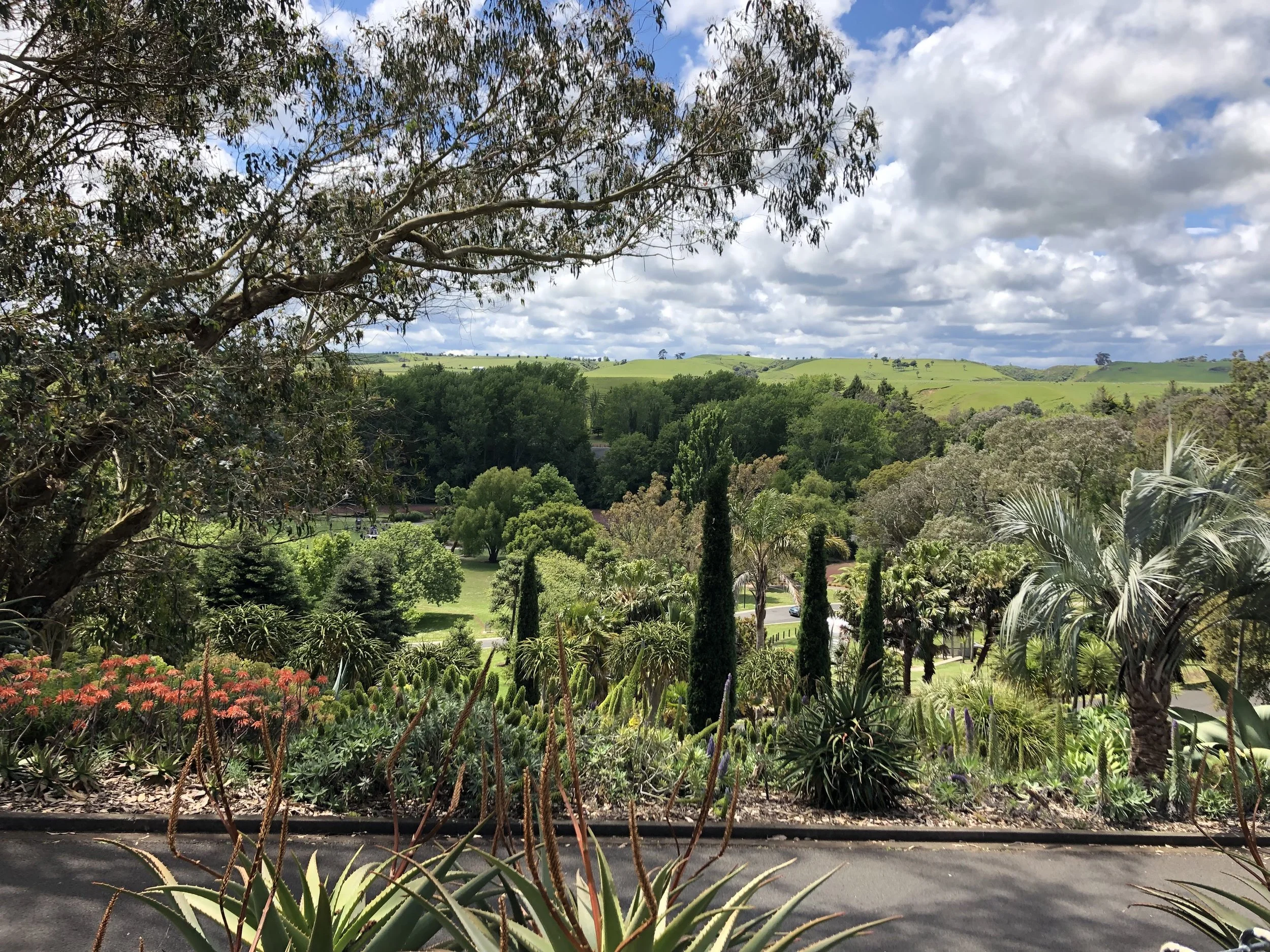
Bason Botanic Garden
By Susan Gifford
A 4-star New Zealand Gardens Trust garden
Where: Rapanui Road,11km from Whanganui.
What: A 25-hectare botanical reserve, donated to the Whanganui District Council in 1966 by Stanley Bason. Stanley and his wife Blanche had farmed this property before donating it to the City, with the intention that it would become a garden for the enjoyment of generations of visitors. More about the garden below – first let’s get to how it all started.
The story of Stanley’s early life makes for grim reading. Three years after he was born in 1897 (although some photo inscriptions suggest 1900), his father apparently wanted nothing to do with him and arranged for Stanley to be adopted by the Basons who lived just a few miles down the road. The story goes that Stanley never quite fitted in with the family and, when he was old enough to do so, he preferred living in a ‘shed’ outside the family home. Stanley was not resentful and worked hard on the dairy farm (opting not to go to secondary school) but he also developed interests in astronomy, poetry and all things ‘nature’. When his adoptive father died in 1936, the property was in severe debt and his adoptive siblings were happy for Stanley to take it, which he did with enthusiasm and determination. Ever resourceful, he was able to persuade creditors to allow him to farm his way out of the debt.
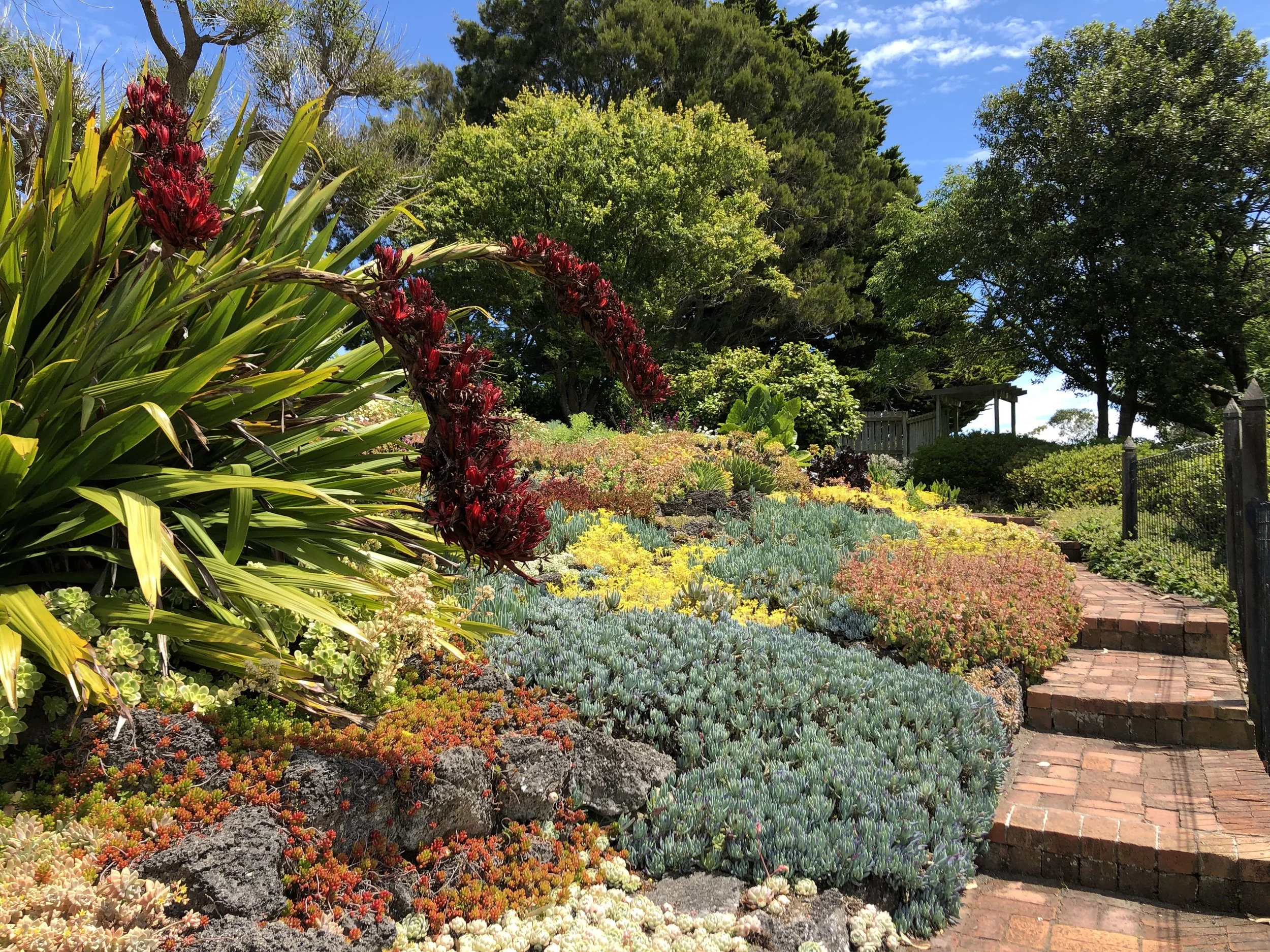
When he was 35, the shy young man married his long-time friend Blanche Prideaux. They lived frugally and worked hard. Stanley was however dogged by bouts of depression and it was gardening which helped him overcome his condition. Their house garden soon became their main recreational activity and it is preserved today as the ‘Homestead Garden’. His belief in the benefits of recreational space and his innate sense of the importance of protecting the environment resulted in his decision to leave the property to the City of Whanganui for development into a Botanical Reserve.
Stanley died in 1976 outliving Blanche who died in 1969. Found among his papers is a touching poem he wrote sometime towards the end of his life which shows the intensity of his feelings for their land:
‘O unexpected stroke of death! Must I leave this Paradise? Leave this happy soil – these happy walks and shades, fit haunt for Gods where I had hoped to spend quiet though sad my remaining days……”
His enduring legacy is testament to his hard work and vision which started more than a century ago.
It is fortunate that although the Whanganui District Council is responsible for upkeep, there is an active Trust behind the scenes. The Bason Botanic Gardens Trust Board oversees the property’s development and maintenance. Landscape designer Sam Moore is the current Chair and he says it’s with the help from generous bequests and hours of input from prominent people in the local gardening community which enables the Bason Botanic Garden to survive and thrive. While he and a few volunteers help out when they can, the property is maintained by 2.5 gardeners and an arborist Mark Higgie. People volunteer for the joy of caring for this amazing garden and also out of respect to the ambitious vision Stanley and Blanche had for their property.
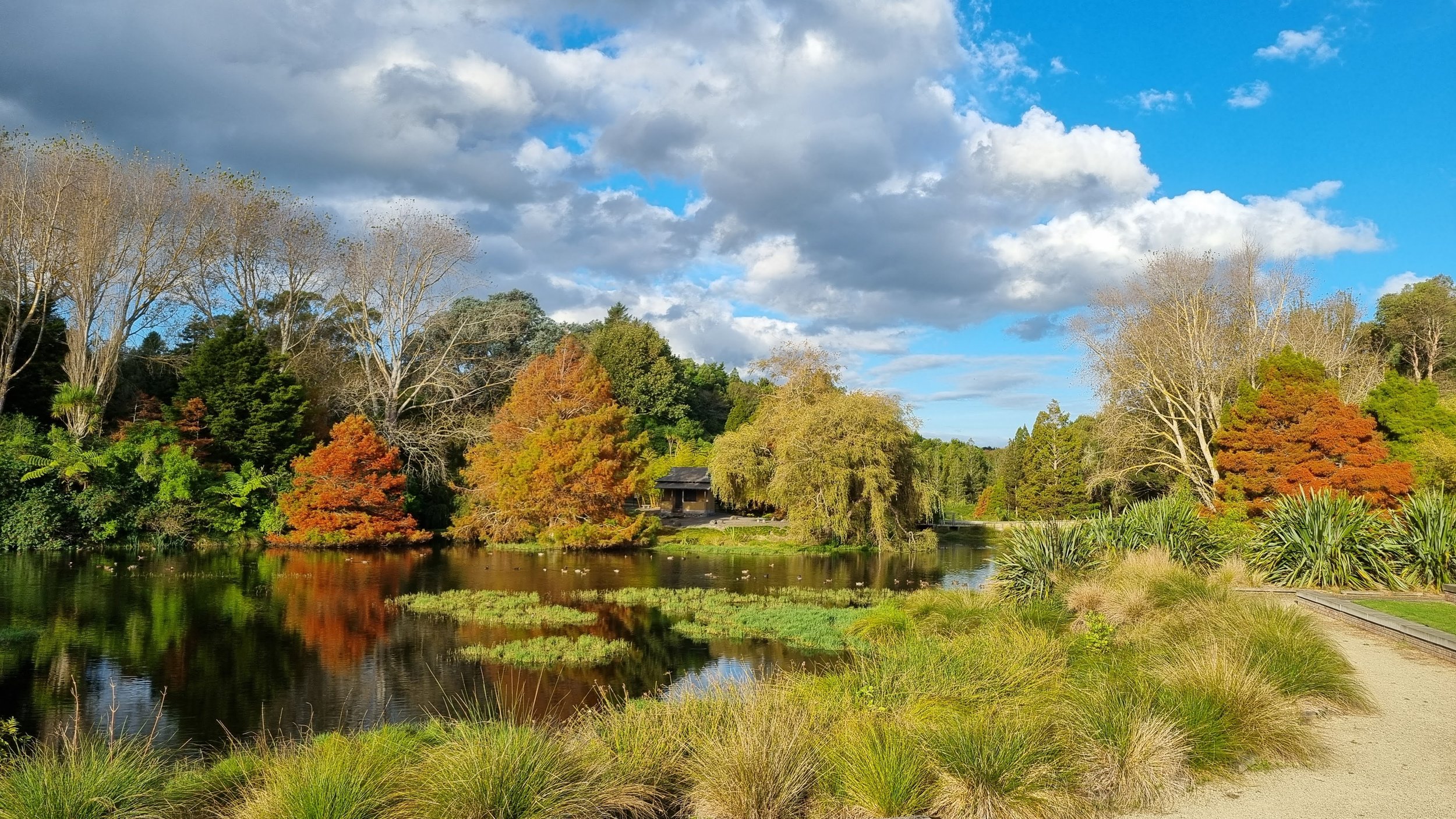
Clive Higgie (Mark’s father), an indomitable garden talent who with his wife, created Paloma Garden (a Gardens Trust 5-Star garden of National Significance, east of Whanganui), has been instrumental in the garden’s recent work. It was Clive who envisaged and planted the Millenium garden – a west-facing bank of stunning plant groupings including an avenue of Aoloe Bainsii. Planting throughout this sprawling and very walkable garden is generally on a scale which only large gardens can entertain. There are mass planted groups of plants sourced from many climate zones in the world. These add to the grandeur and the very special nature of this garden. While the landscape master plan was developed by designers at Lincoln College in the late 1960s, bequests over time and hard work by the visionaries involved in the Trust have allowed for additional walkways, picnic areas, large grass areas for games, sculptures and a roading network which means everyone can enjoy being in the garden. The lake and wetland plantings and the Japanese Tea House are a delight. There are also three conservatories, a Fern House and special ‘Spring’ garden.
If you are in the district, this is a must-see garden. Understanding and reading about the history behind its development from farm to garden is every bit as interesting as seeing the garden as now presented. It is open every day. If you have the time and inclination, Friends of the Bason would welcome your inquiries. While the Council funds garden maintenance, there’s plenty of scope for more volunteering and financial support. A visit will confirm that this is a garden worth seeing and contributing to in any way. Website: basonbotanicgardens.com